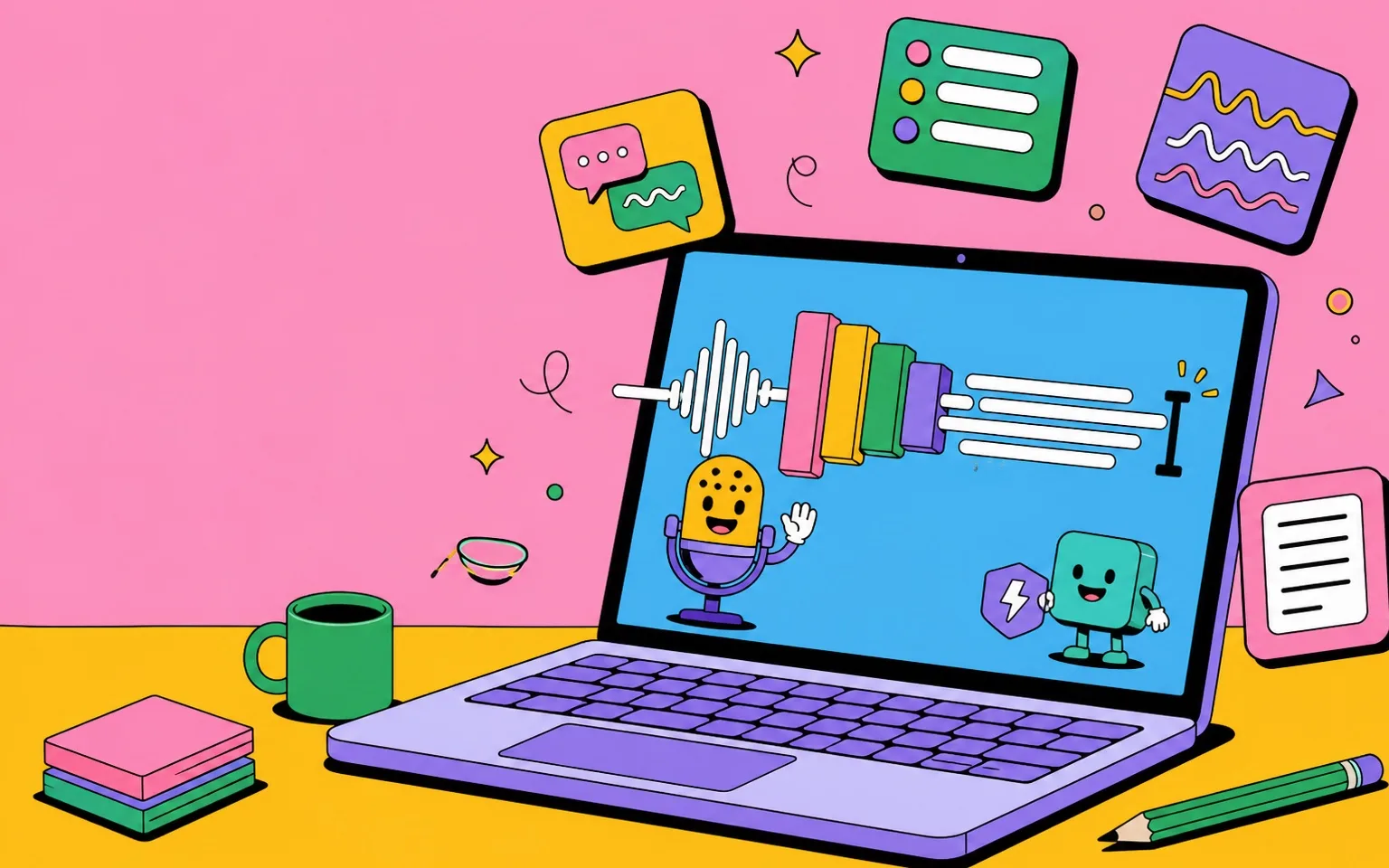
Transcript to Interactive Insight Atlas
Restructuring hours of long-form content into browsable, understandable, actionable web briefs
Long-form Content Transformation Case / 13
Transform hours of transcripts from searchable text into interactive briefs that are browsable, understandable, and actionable.
The method has been applied to conferences, livestreams, dinners, and multi-session programs: preserve sources and chapters, extract judgments, cases, quotes, and actions, then choose an interface suited to an event archive, livestream brief, dinner insight, or cognitive atlas.
Four live briefs transform local source material into static websites.
This is not format conversion; each project redesigns hierarchy and reading flow.
Sources, timestamps, and original links are preserved where possible; conclusions stay separate from quoted material.
Sensitive records, accounts, unauthorized full text, and private material are excluded from the public case.
Conference archive organized by speaker and theme.
A three-hour livestream reorganized into judgments, methods, and chapter navigation.
Structured insights and reading paths extracted from a dinner transcript.
A cross-session atlas of themes, judgments, and durable concepts.
The Problem Is Not Length but Structure
Raw transcripts preserve what was said but flatten judgments, cases, repetition, and speech noise into one layer. Readers must reconstruct the logic before deciding what matters.
The process first establishes sources and chapters, distinguishes facts, opinions, cases, quotes, and actions, then connects reading depths through web navigation.
Different Content Needs Different Models
Conferences are speaker-centered, livestreams follow time and themes, dinners preserve dialogue relationships, and WAIC requires cross-session links among themes, judgments, and concepts. Visual consistency does not mean structural sameness.
Static sites publish quickly, read well on mobile, and archive reliably without prematurely adding login, databases, or a CMS.
PROCESS
Key Decisions
Separate source from editorial layer
Quotes, summaries, and judgments use distinct levels so editorial conclusions are not disguised as source speech.
Choose the information model first
Speaker, time, dialogue, or theme networks determine page structure instead of one universal template.
Prefer static publishing
Stable content becomes a site directly, reducing maintenance and permission overhead.
Role & Collaboration
I led the full transformation from raw transcripts to thematic framework, information architecture, visual reading path, and release acceptance.
AI supported extraction, classification, deduplication, and front-end generation; I reviewed important conclusions, source boundaries, and public scope.
Validation, Outcome & Reflection
All four public links are live and anonymously accessible.
Content quality still depends on human review; automated summarization cannot replace checking original context.
Valuable transcript-to-HTML work is not a file-format change; it makes knowledge relationships and reading decisions explicit.